Blindspots and growth

What’s worse than having a blindspot?

Identifying one and believing that we are addressing it when we are actually not.

Combine that with arrogance or lack of humility and you have the perfect recipe for a mirage.

But all illusions are eventually broken. And this will be a rude unexpected wake-up call that we might not have the strength to recover from.

A few tips I have found to help steer myself away from this pitfall.

  • Consistently question and re-evaluate.
  • Be humble. Always be open to the fact that I don’t know everything on a subject.
  • Get to know other opinions different from my own. Understand their point of view.
  • Surround myself with people from different schools of thought and varied lifestyles.
  • Remind myself that everything is constantly changing. No opinion can be absolute or eternally right.

The day we become arrogant about our knowledge in a field is the moment we will cease to grow. Nothing can be more self-destructive than that.

Nature and engagement

Recently I went for a vacation to a lesser known hill station that was ripe with tea estates and dense forests, and low on crowds. In the two days I was up there, our only pass time was trying to spot wildlife and getting lost in the scenery around us.

However, on the way back, within an hour of reaching the city outskirts, I had my phone in hand, scrolling for music to listen to.

That’s when the difference hit home.

Living in the midst of nature fills our mind with peace and serenity which in turn does not leave much room for man-made distractions. It allows us to lead a fully engaged life, in the true sense of the word.

Discomfort and procrastination

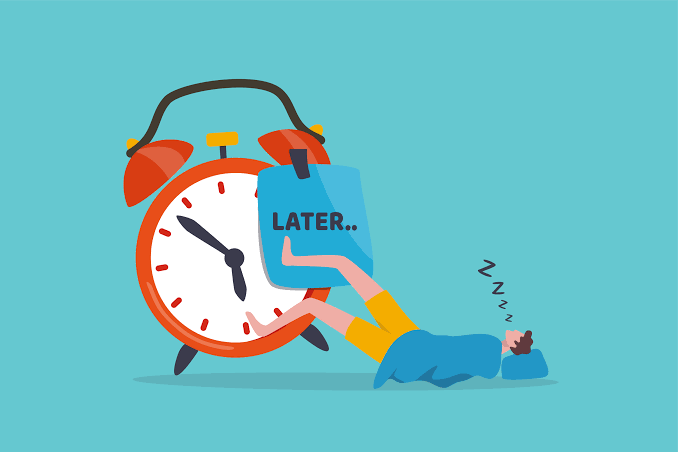
Procrastination is the refusal or inability to sit with uncomfortable emotions

This profound statement from this thread by Cory Muscara hit home instantly. It is a very succinct and accurate description of why we postpone important things.

It is always because we are avoiding some unpleasant feeling – fear of an exam, accepting imperfection, guilt over some action or inaction. If we were to just sit still and let ourselves embrace those feelings fully, we could come out on the other side with a less burdened mind and take action.

Accept discomfort. In fact, embrace it.

Team over individuality

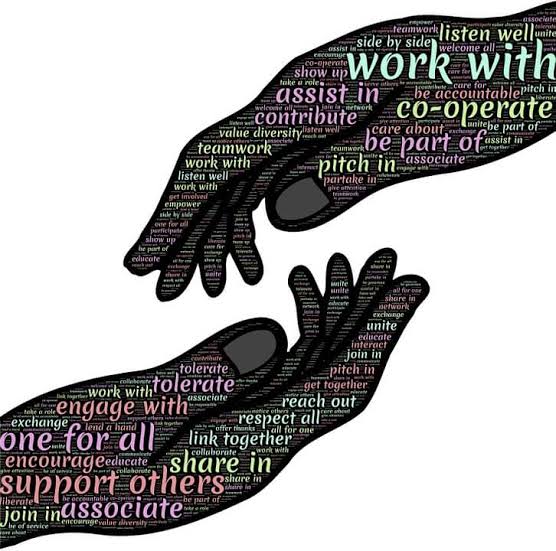
A team of people working as a unit can compensate for each other’s strengths and weaknesses, in the process accomplishing more than an independent individual.

This is true in every social and organizational setup.

A team of designers, product owners, architects and engineers transforming the vision of a company to a product.

A group of friends taking on different roles in a trip – the planner, the mediator, the jester, the navigator.

A unit of parents bringing up a family.

When you have the support of even one other person in an endeavour, the pressure to always be on point and perfect is lessened. We gain the freedom to let loose our emotions occasionally – be the fun person or express anger – safe in the knowledge that our partner will balance us out. It is an incredible fortification system that an individual shouldering all responsibilities does not get.

In a world that is increasingly emphasizing individuality, the benefits of a strong support structure are worth a reminder.

Making time

My company went through a major re-org at the start of this year. This marked the end of the unit I had been leading for the past 8 months as everyone moved onto new roles.

On the last day before the new structure came into force, I scheduled a farewell session with the team. But as the day progressed, meetings and tasks were piling up as the entire department was in the midst of quarter planning.

When I got the reminder notification for the farewell, I wrestled with the dilemma of whether to cancel and reschedule it or proceed as planned. Eventually I decided to step out of my “urgent” meeting and join the farewell session.

As the team came together and shared their memories on the accomplishments and camaraderie of the past months, one oft-repeated but seldom-remembered life lesson was reinforced.

Make time for what’s important.

There will always be urgent work. But some moments will be lost forever if they are not lived and cherished in that instant. It’s up to us to consciously choose to make time for the important over the urgent. That makes all the difference.

Reinforcing cycles

During my initial days at our college dance club, I had a hard time because my dance skills were below average compared to the rest of the class and I was always getting singled out for my poor performance. The negative criticism eroded my confidence which in turn made me perform even worse. It became a downward spiral.

One day, a friend pulled me aside after one such session and offered to help me improve. At the time, hearing that felt like the height of humiliation. But I decided that I had nothing to lose by taking her up on the offer. For the subsequent session, we met earlier than the rest of the group and for the next hour, she pointed out my mistakes and corrected my movements.

We never did any more extra practice classes after that. But over the next month, something miraculous happened. I steadily got better. By the day of the performance, I was no longer afraid of being the disappointment of the show. By the time I exited the dance club, I had let go of the fear and started to enjoy the art form.

One extra practice did not magically make me a better dancer. So what changed?

Previously, my sinking confidence had started affecting my mental state while dancing which made me perform even worse than normal. This invited more comments which in turn lowered my self esteem more. It had become a vicious cycle, a chicken-and-egg problem.

What that extra practice did was make me stop running away from the facts and take control of my situation for the first time by putting in more effort. This in turn sowed a seed of belief in me that I must have gotten at least a little better. That small boost in confidence allowed me to shed some of the self-doubt and dance a little better. Seeing my dance improve raised my confidence another notch. It was another cycle, but a positive one this time.

This experience taught me two of my most valuable life lessons.

One, the balance between confidence and doubt can have a huge impact on the outcome of even our most sincere efforts.

Second, sometimes we get into a chicken-and-egg kind of mental situation that seems to have no end. In such times, we should grab onto one lifeline with the potential to pull us out of the cycle. When we break out of it once, we can ride on the coat tails of that experience and the same situation will become a positive reinforcing cycle from thereon.

All it takes is grabbing onto one opportunity with an open mind and a leap of faith.

The human quotient

Once a company has established its market fit and become profitable, what causes it to fail later? There can be multiple reasons but there is one common thread among several of them.

Human failings.

Fear. Ego. Arrogance. Complacency. Self righteousness. Bias. Greed. Hunger for power. Selfishness. Prejudice. Many many more.

Having these weaknesses is natural. It is part of being human. But we often dismiss them and concentrate too much on business and strategies, when what is actually needed are organisational-awareness and strong core values to counteract and anchor the institution and its people whenever these negative aspects rear their heads.

This is not something that can be done in a day, month, year. Nor is it a task that can ever be completed. It needs consistent repetition and reinforcement.

A company is made of people. They make or break the firm, more so than products or environment. Let’s not forget or worse, dismiss, the human quotient.

Building team culture

Today was the last scrum for the team I have been leading before everyone transitions to new roles for 2023. In the farewell standup, most of the feedback and memories shared revolved around team support and how they were going to miss their colleagues.

Hearing these comments strongly reinforced one thing about leadership. Building an organisation with the right culture, mindset and core values is the best investment of time and effort for a company. It is what makes a positive difference to the day-to-day work life of employees. The decision to take up a new job offer can be motivated by factors like money, family needs, career growth, etc. but the choice to leave or stay with existing company is driven by two considerations above all others – the people and the work satisfaction.

Setting the right tone for the team culture requires consistent conscious effort. But when we get that right, it self propagates and reaps dividends many times over.